Bringing renewable innovation to the global home, one gift at a time
How a rattan factory in Yogyakarta, Indonesia, secured certified supply, grew its home-weaver network and kept the handwork that makes the product worth buying.
What was my role?
I was hired to be a market expert. To take a pragmatic, collaborative approach to solving product, program, and vendor/merchant challenges while delighting the unique Target Guest.
A few long-standing rules:
- An outside-in perspective was the priority.
- Answers to my questions were not in the building.
- Solutions must be urgent and pervasive.
- Merchant and customer alike would value & pay for the change.
So, what did the retail marketplace tell us about our handicraft materials, processes, and products?
Hints from the Forest Stewardship Council (FSC):
- 8 in 10 consumers expect products to protect forests.
- 86% of consumers check labels before purchase.
- Top 2 purchase drivers: climate & biodiversity loss.
Curious? Read more below…
Where Craft Meets Scale
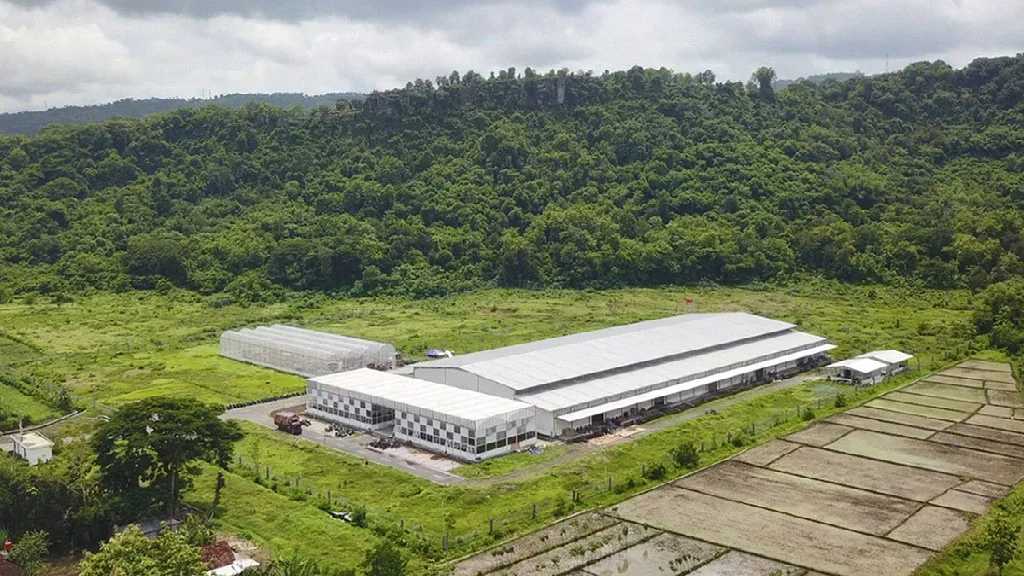
Indonesia is home to over 1,300 ethnic groups, some of the world’s richest natural materials, and a handicraft tradition centuries deep. What it hasn’t always had is the infrastructure to connect that abundance to the global market. PT Harmoni Usaha Indonesia (HUI), a member of the Sansico Group, exists to close that gap, turning rattan, banana bark, and generations of hand-weaving skill into responsible, sustainable, and equitably sold products that reach homes around the world.
Securing the Supply Chain
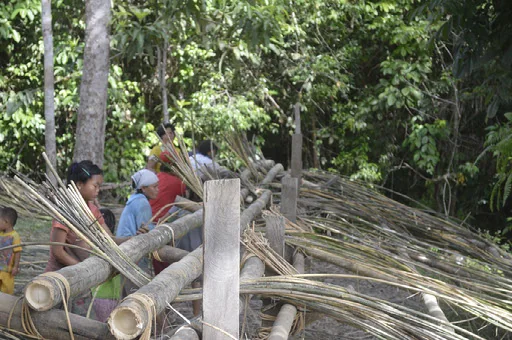
Indonesia supplies over 80% of the world’s raw rattan. The raw material comes from wild and smallholder-grown climbing palm vines harvested in the tropical lowland rainforests and secondary forests of major Indonesian islands, primarily Kalimantan (Borneo), Sumatra, and Sulawesi.
Before HUI could continue to scale, it had to solve a sourcing problem: rattan supply was fragmented, unpredictable, and increasingly hard to source responsibly. The solution was a five-year cooperation agreement with a local farmer association (P2RK), committing to FSC-certified rattan across a defined, growing hectare base, a long-term bet on localized, sustainable supply over short-term convenience.
In 2024, 209 farmer members can harvest a maximum of 29 tons (dry weight) of rattan per month, on an area of 691 hectares. To ensure sustainability, plants can only be harvested every two years, once they have reached maturity, and are cut selectively rather than in whole clumps.
The results compounded fast. Order volume and rattan consumption both scaled roughly 3–4x, year over year, through the program’s first two years, with FSC-certified supply now capable of supporting tens of tons of rattan per month, proof that ethical sourcing and real commercial growth aren’t a trade-off.
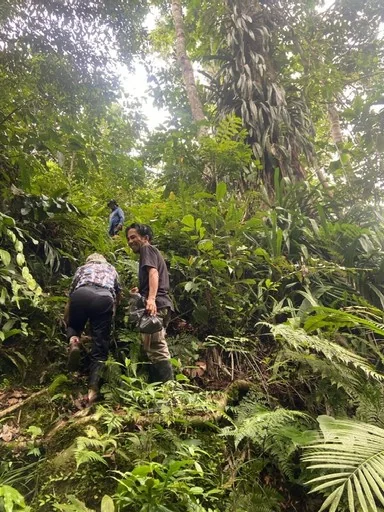
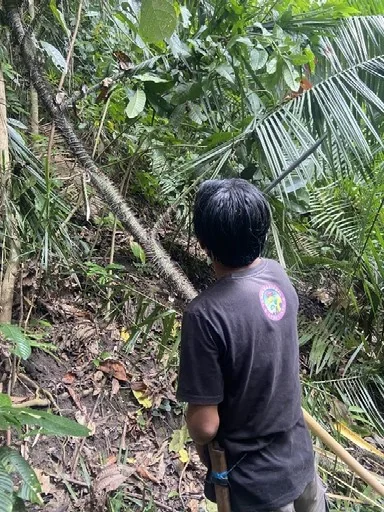
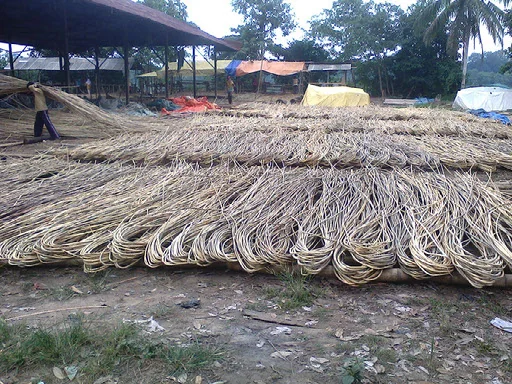
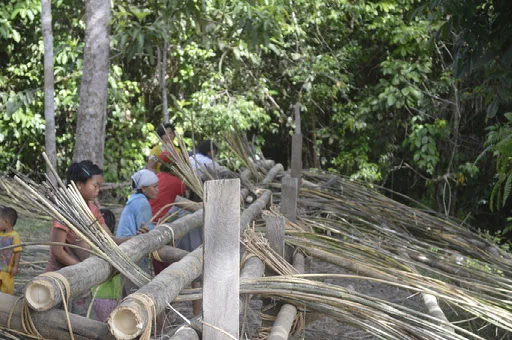
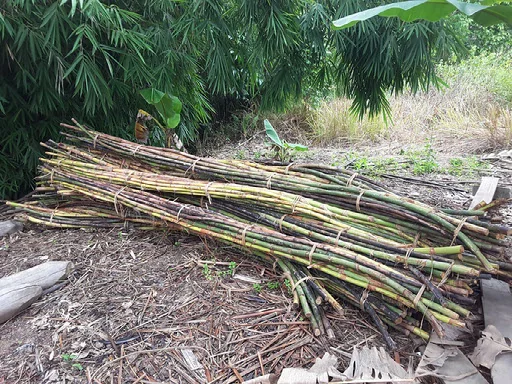
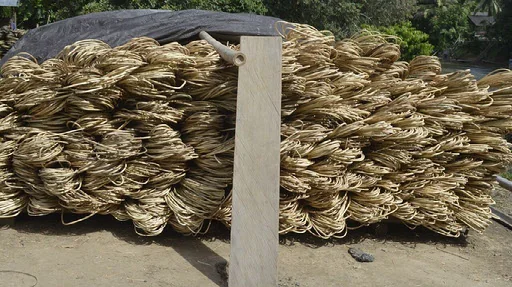
Indonesian Rattan Harvesting. Photo Credit: WWF, FSC, & P2RK
Certifying the Human Side
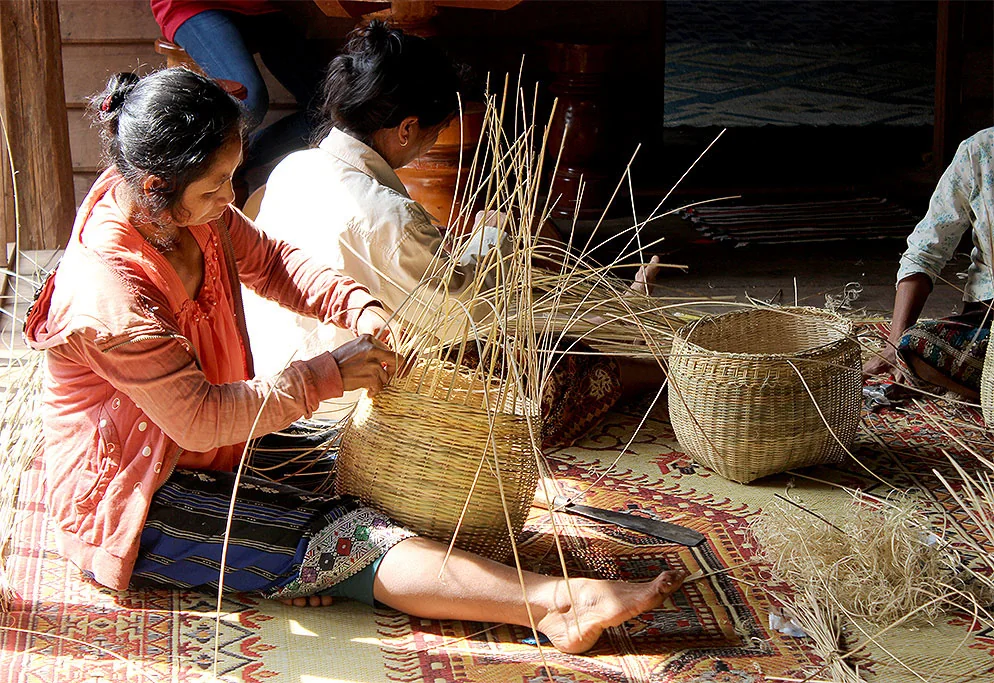
Certification isn’t a badge you apply for; it’s a process you build from the ground up. Securing raw materials was the first step. Getting HUI to Nest’s Seal of Ethical Handcraft meant supplier mapping, time-motion studies to set fair piece-rate wages, worker documentation and grievance systems, and facility safety upgrades: first aid, potable water, evacuation planning. Code of Conduct education rolled out region by region, with on-the-ground video training reaching workers across multiple areas of Indonesia’s Central Java Region.
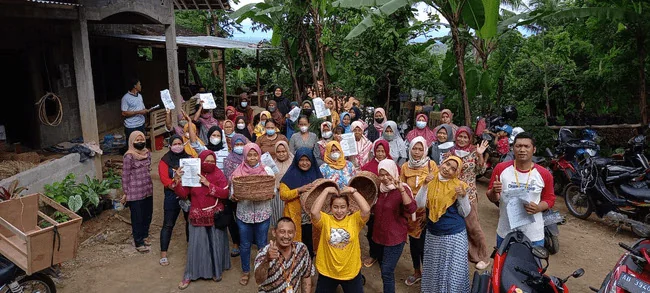
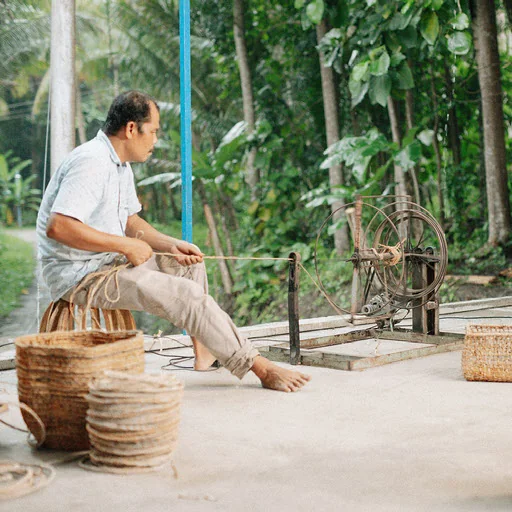
The clearest measure of impact is who’s doing the work. Women home weavers grew from roughly 1,500 to over 7,000 in four years, at the time close to 60% of HUI’s home-weaver workforce. That’s not a side effect of growth. It’s the point of it.
Design Meets Material Innovation
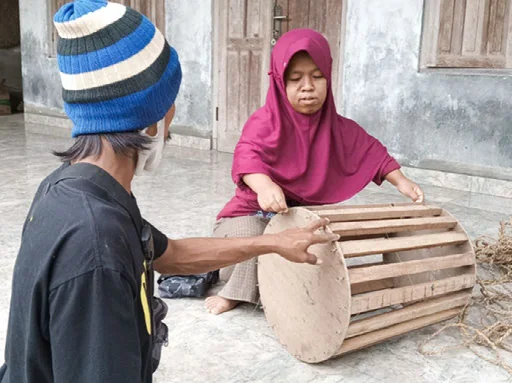
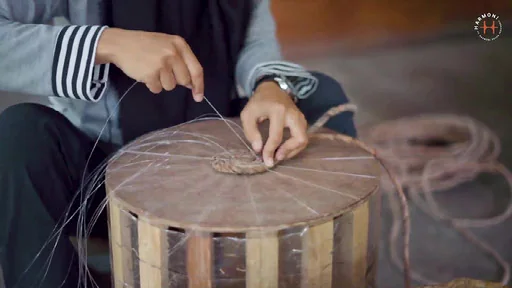
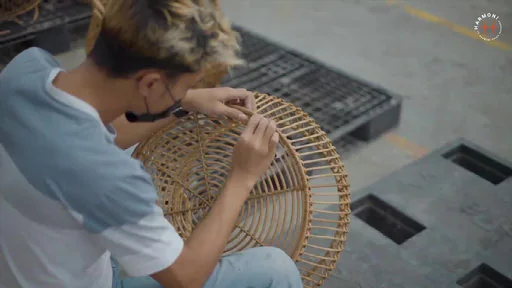
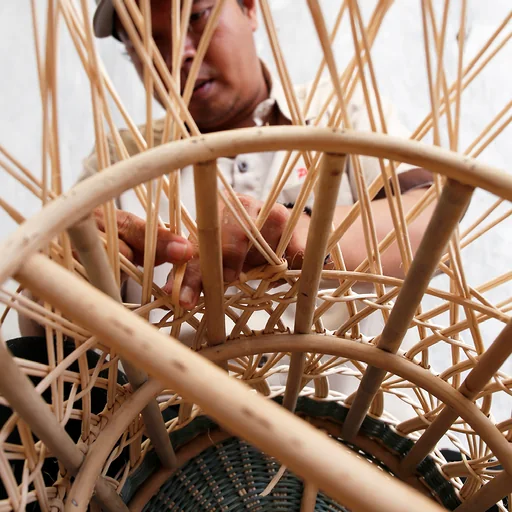
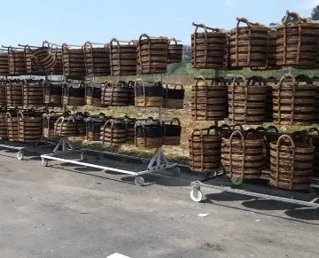
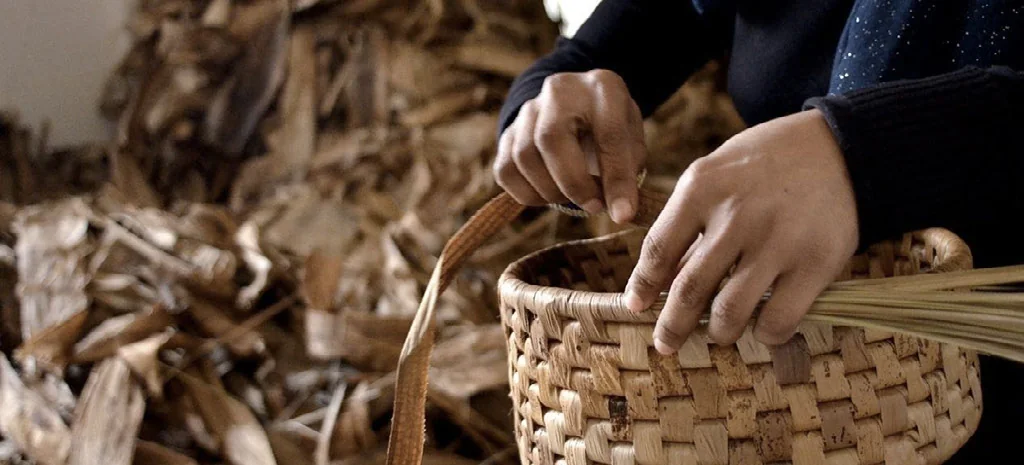
The hand hasn’t been replaced; it’s been supported. HUI pairs traditional weaving techniques (rattan double-reed, jute, banana bark) with just enough mechanization (material slicing and semi-automated forming) to hit commercial-scale consistency without losing what makes handwork worth doing. Loading efficiency alone improved roughly 40% through targeted automation, freeing capacity for the part that can’t be automated: the weave itself.
From Home Weaver to Global Home
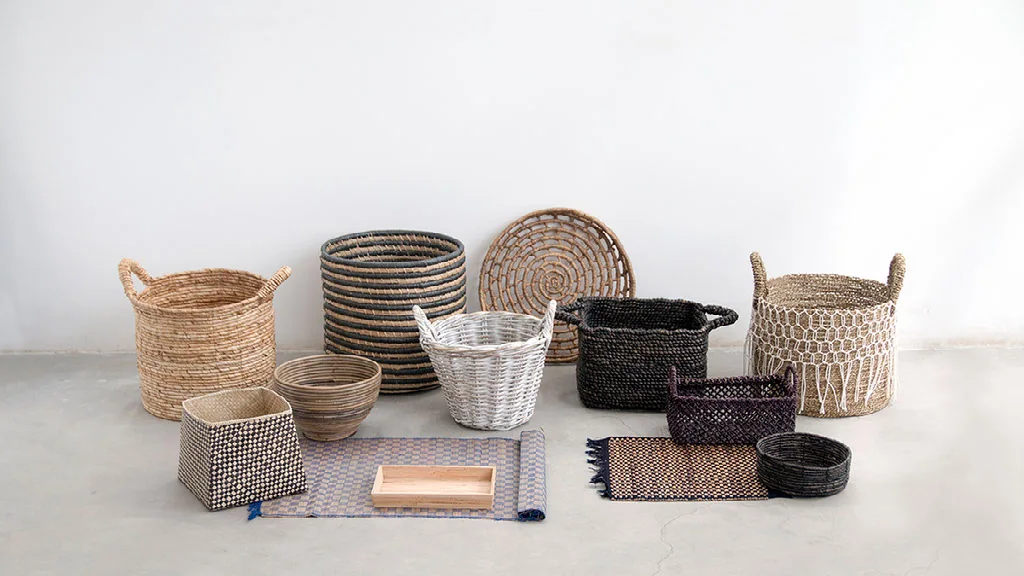
Numbers and sales figures tell part of the story. This is the rest of it. Exceptional products, people, and processes that deliver attractive, authentic, renewable, and sustainable products to our homes.
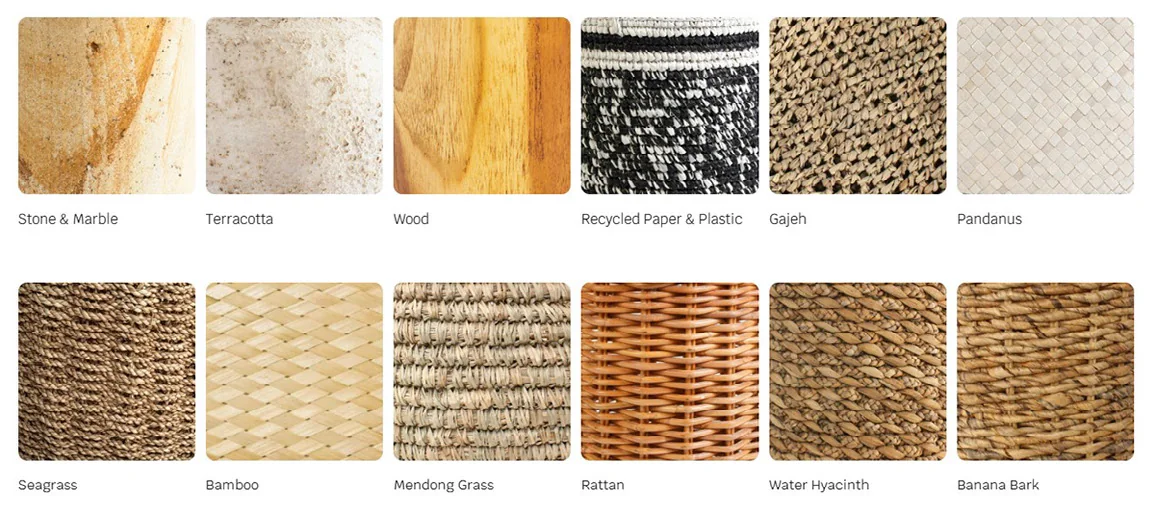
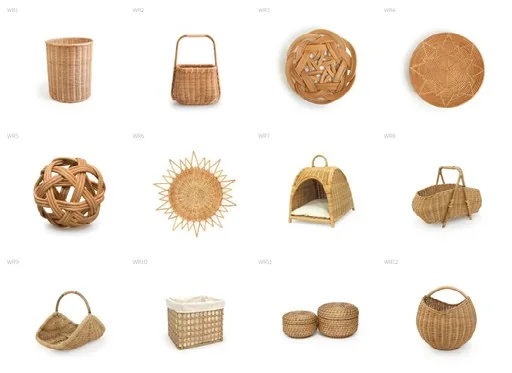
Material & Product Diversity
Keep walking the route
Thomas “Teej” Thaldorf · Bloomington, MN · LinkedIn